Current Announcements

The latest announcements and event news are published in this section.

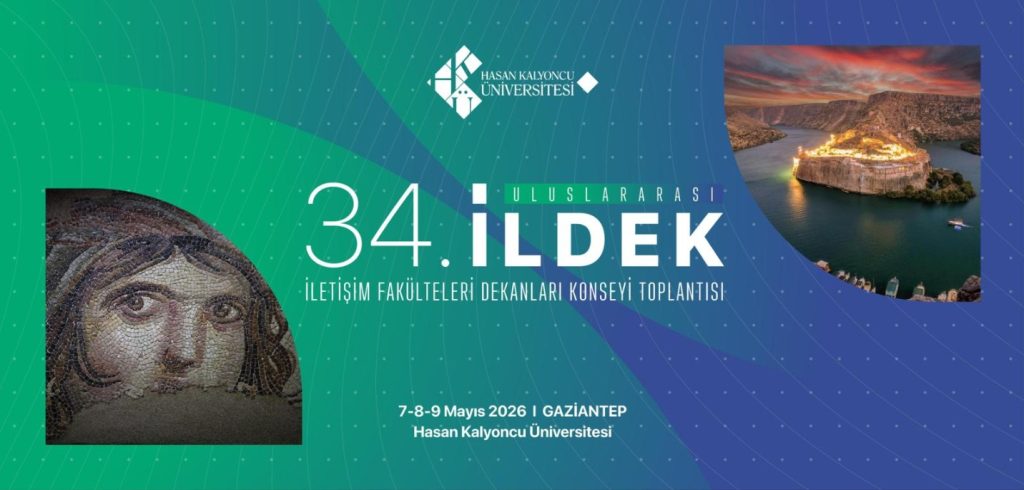
34th COUNCIL OF COMMUNICATION FACULTY DEANS MEETING TO BE HELD IN GAZIANTEP

The 34th meeting of the ILDEK Council (Council of Communication Faculty Deans) will be held in Gaziantep between May 7–9, 2026, hosted by Hasan Kalyoncu University. It is gratifying that the Rector of Hasan Kalyoncu University, Prof. Dr. Gül Rengin Erdoğan, who comes from the field of communication, has shown special interest in this important academic gathering and taken the lead in organizing the meeting at her university. As the ILDEK Council, we sincerely thank her for this valuable hospitality and contribution.

The Council of Communication Faculty Deans (ILDEK) has been an important academic platform since 2000, bringing together the deans of communication faculties in Türkiye, the Turkish Republic of Northern Cyprus, the Balkans, and Kyrgyzstan that are affiliated with the Turkish higher education system. Among the council’s main objectives are strengthening coordination among academics in the field of communication, increasing cooperation among scholars through meetings and events, updating curricula in communication faculties in line with developing technology and sectoral needs, and building bridges among communication institutions at national and international levels.

In its early years, ILDEK meetings were held several times a year. In later years, they evolved into a more systematic structure and have since continued as an annual gathering.

During the 2025–2026 academic year, the ILDEK Executive Board consists of Chair Prof. Dr. Senem Gençtürk Hızal, Permanent Member Prof. Dr. Asaf Varol, and Board Members Prof. Dr. Gül Rengin Küçükerdoğan, Prof. Dr. Hülya Önal, Prof. Dr. Ümit Arklan, and Prof. Dr. Elif Asude Tunca. Prof. Dr. Ercan Aktan serves as the alternate member. At the Gaziantep meeting, the new term executive board members of ILDEK will be re-elected.

Since its establishment, ILDEK has made significant contributions to the field of communication through its meetings, reports, advisory decisions, and initiatives before higher education institutions. It has become an influential platform within the higher education system in terms of improving the quality of communication education in Türkiye, strengthening cooperation among faculties, resolving academic issues through collective wisdom, and taking strategic steps for the future of the field. Especially in recent years, the decisions taken by the council have produced remarkable outcomes in solving current issues of communication faculties and enhancing quality.

One of ILDEK’s notable contributions has been identifying communication-specific issues in associate professorship application processes and developing solution mechanisms. Within the processes conducted by the Interuniversity Council (ÜAK), contradictions regarding academic fields and keywords related to communication education were thoroughly examined. A commission of expert academics was established to analyze these issues and develop recommendations, and the resulting advisory decisions were published in the final declarations section of our website.

Another important contribution of the council has been carrying the problems of communication faculties directly to the agenda of the Council of Higher Education (YÖK). ILDEK has held meetings at the level of the President of YÖK regarding the structural problems and future expectations of communication faculties. This demonstrates that ILDEK is not only an academic solidarity platform, but also a representative body contributing to the shaping of higher education policies.

ILDEK has also played an important role in quota policies aimed at preserving quality in communication education. In recent years, the rapid increase in undergraduate and graduate programs in communication faculties has created pressure on educational quality in some institutions. The council evaluated this issue and submitted several recommendations to YÖK for reducing quotas and planning them in a more balanced manner. These efforts have helped influence recent decisions to reduce quotas in communication faculties.

In addition, ILDEK has made important evaluations regarding the quality of the student placement system for communication faculties. The negative impact of admitting students with very low entrance scores on educational quality has been discussed, and studies were carried out to communicate these concerns to the relevant institutions. Although some initiatives could not be fully implemented due to the limited number of higher education programs accessible through social score admissions, the council continues to maintain its determined stance on this matter.

The council has also brought attention to the impact of open and distance education programs on formal communication faculties. In some universities, communication programs within open and distance education faculties admitting students with high quotas have created negative consequences for faculties offering traditional face-to-face education. These concerns were submitted to YÖK in the form of a final declaration, and ILDEK resolved to share its views with the relevant faculty administrators and lead the search for solutions.

Another remarkable contribution of ILDEK has been its support for the expansion of practice-oriented education models. Especially within the 7+1 education model, where students spend one semester in sectoral practice, the positive reflections on employability have been discussed in meetings. Successful examples of this model have been shared with other communication faculties, encouraging wider adoption. As a result, graduates are expected to become better prepared for professional life by combining theoretical knowledge with field experience, while increasing employment opportunities after graduation.

The council has also taken initiatives to solve problems related to the employment of teaching staff. Bureaucratic obstacles in appointing expert lecturers in certain communication programs were evaluated as disruptive to educational processes, and related studies were submitted to YÖK. This approach is particularly valuable in enabling professionals from the industry to contribute to education in rapidly changing areas such as media technologies, digital content production, visual design, and AI-supported media applications.

ILDEK also successfully continues its mission of bringing communication scholars together through scientific events. Taking the lead in organizing international symposiums such as CIDA is highly valuable in bringing different universities together, enabling young researchers to showcase themselves, and fostering new collaborations. Through such events, current issues in communication are discussed, academic production is encouraged, and Türkiye’s visibility in this field increases. In this context, the 5th International Communication in the Digital Age Symposium: Transformation of Intelligence – The Dialectics of Communication will be hosted by Kocaeli University Faculty of Communication between October 15–17, 2026.

Through the cooperation of ILDEK and ILAD (Communication Research Association), regular information sessions on accreditation processes of communication faculties have been organized during ILDEK meetings in recent years. Within this scope, deans attending the meetings are provided comprehensive training on accreditation criteria, quality standards, and evaluation processes.

Furthermore, the Higher Education Quality Council, which is responsible for completing, monitoring, and improving the quality processes of universities and cooperates with international quality agencies and institutions, has also participated in ILDEK meetings in recent years. Through the information sessions organized by the council, significant contributions have been made to the quality assurance and accreditation processes of communication faculties.

In conclusion, ILDEK has established a strong culture of solidarity among communication faculties through its work to date; contributed to the development of quality-oriented educational policies; and taken decisions guiding the field across a broad spectrum, from academic promotion processes to student quality, teaching staff issues, and national and international cooperation. In this respect, ILDEK is not merely a council of deans, but a strategic intellectual platform shaping the development of communication education in Türkiye.
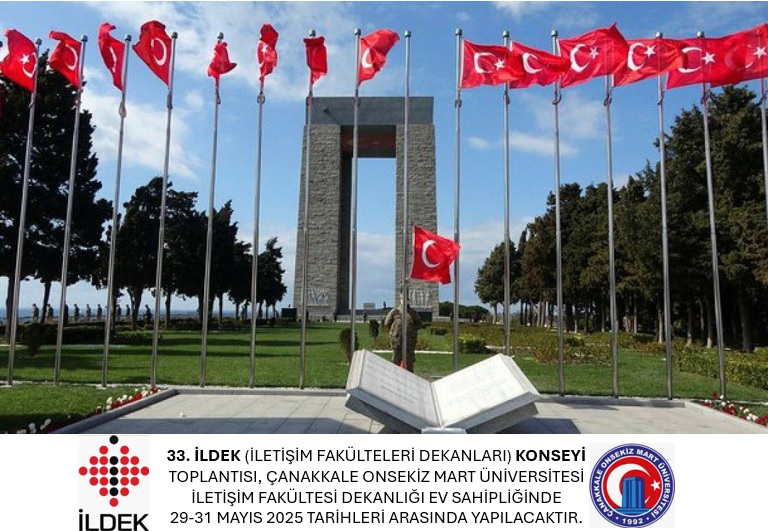
33. İLDEK KONSEYİ TOPLANTISI

BAİBÜİLEF-İG 2025 2. ULUSLARARASI İLETİŞİM GÜNLERİ / YAPAY ZEKÂ ve HİPERMEDYA SEMPOZYUMU

Bolu Abant İzzet Baysal Üniversitesi İletişim Fakültesi tarafından Cumhuriyetin 101. Yılına özel olarak başlatılmış olan ve geleneksel hale gelen Uluslararası İletişim Günlerinin ana teması Yapay Zekâ ve Hipermedya olarak belirlenmiştir. Türkiye Yüzyılı vizyonu ile gelenekselleşmiş olan bu sempozyum listelenmiş olan temaları da kapsamakla birlikte, geleceğin güçlü Türkiye’sinde dünyada söz sahibi bir millet olma bilinci ile oluşturulacak ilgili diğer tüm konu önerileri de sempozyum gündeminde ele alınabilecektir. Ulusal ve Uluslararası düzeyde uzman davetli konuşmacıların da yer alacağı sempozyum, 12-13 Mayıs 2025 tarihlerinde yüz yüze ve de çevirim içi olmak üzere harmanlaştırılmış biçimde gerçekleştirilecektir.
Sempozyumumuzun ana başlığı olan Yapay Zekâ sadece iletişim ve sosyal bilimler alanında değil hemen hemen her alanda 2025 yılının başlıca gündemi olmaya devam edecek gibi görünmektedir. Yapay Zekâ her alanda hızla yaygınlaşan bir tanımı yeni yapılan bir unsur olarak kendini göstermeye başlamıştır. Ancak İletişim uzmanları olarak bizler yapay Zekânın iletişim çağının yeni aktörü olarak görebilir miyiz? diye kendimize sormadan edemiyoruz.
Dijital teknolojilerin ve dijital dönüşümün baş döndürücü bir hızla ivmelendiği günümüzde yeni medya mecralarının da aslında artık çok önemli yeni bir rol arkadaşı olmuştur. Bu yepyeni ve de git gide sınır tanımaz şekilde geliştirilen bu platform kimine göre haddini aşmış bir cüretkâr, kimine göre ise sadık bir uşak, dijital bir köle olan Yapay Zekâdır. Tabi bu yeni arkadaşa ‘köle’ diyenler kölelik sistemini tarih boyunca kendileri için tek kurtarıcı olarak görenlerden başkası değiller. İşin daha da vahimi, bunlar diğer milletleri de bu dijital dönüşüme tabi olan yeni medya mecraları ile köleleştirmek gibi bir ütopya tasavvuru içindedirler.
Küresel ölçekte bakıldığında yeni medya mecralarında ortaya çıkan neredeyse sonsuz içerik aleminde muhakkak insanlığa büyük faydalar sağlayacak yine sonsuz veriye erişim internet erişiminin olduğu her noktada mümkün hale getirmiştir. Ancak alabildiğine özgür olan bu sanal alemde, bu son derece yararlı olabilecek veri dolaşımının yanı sıra, bazı şer odaklarınca yine bu Salih niyetlere karşı art niyetler taşıyan dezenformasyona, yani yalana iftiraya dayalı bir takım etik dışı eylem niteliğinde paylaşımlara da rastlamak maalesef mümkün hale gelmektedir.
Önemli olanın, elimizdeki dijital iletişim mecralarını insanlığımızı her zaman daha aydınlık, daha müreffeh, daha ileri noktalara götürecek bir araç olarak kullanmakta yattığı ortadadır. Bunu yaparken de bu teknolojileri kullanan ilgili milletlerin sadece kendilerine fayda sağlayacak ve diğerlerini de köleleştirerek şekilde hegemonyası altına alarak değil, aksine her millettin adil bir şekilde, kardeşçe başarması huzur dolu aydınlık geleceklere ulaşmak için büyük önem taşımaktadır.
Nitekim aşikardır ki tarih boyunca eldeki olanakları, barbarca, otokratik ve hegemonyal şekilde kullanan toplumlar hep tarihin karanlık sayfalarına gömülmüşlerdir. Ancak adil, demokratik, kucaklayıcı, her alanda kültürel ve sosyal etkileşime önem veren uygarlıklar ise günümüzdeki kazan kazan bilinci ile ilelebet, nice yüzyıllar hatta binyıllar boyunca varlıklarını güçlenerek ve kadimleşerek sürdürmüşlerdir.
İki gün sürecek olan 2. Uluslararası İletişim Günleri / Yapay Zekâ ve Hipermedya Sempozyumu’na iletişim bilimleri, yeni medya ve dijitalleşme konularında uzman, uluslararası düzeyde tanınmış önemli bilim insanları davetli konuşmacı olarak davet edilmiştir.

2. Uluslararası İletişim Günleri / Yapay Zekâ ve Hipermedya Sempozyumu, davetli konuşmacıların yanı sıra pek çok zengin bildirinin de sunulacağı, uluslararası niteliklere uygun, bilimsel bir etkinliktir. Sempozyum, akademik teşvik ve doçentlik kriterlerini ve niteliklerini karşılamaktadır. Etkinliğin Düzenleme ve Bilim Kurulu’nda yurt içi ve yurt dışındaki çeşitli üniversitelerden saygın bilim insanları yer almaktadır.
Sempozyum aşağıdaki temaları kapsamakla birlikte ilgili ve bağlantılı konu önerileri de sempozyum gündeminde ele alınabilecektir.

Yapay Zekâ ve Açılımları
Psikoloji Alanında Yapay Zekâ
Tasarım Alanında Yapay Zekâ
Gazetecilik Alanında Yapay Zekâ
Hukuk Alanında Yapay Zekâ
Sosyal Bilimler Alanlarında Yapay Zekâ
Yapay Zekâ ve Etik Sorunsallar
Yapay Zekâ ve Dezenformasyon
Yapay Zekânın Geleceği
Hipermedya ve İletişim
Hipermedya ve Tasarım
Yapay Zekâ ve Reklamcılık
Amatör Markalaşma Trendleri ve Kişisel Marka Yönetimi
Etkili Sosyal Medya Yönetimi ve Yapay Zekâ
Yapay Zekânın Dünü, Bugünü, Geleceği
İletişim Başkanlığı ve Ulusal Marka Kimliğimiz
Tasarım Odaklı Yaklaşımlarda Yapay Zekâ

2. İLEFİG – Kayıt ve Bildiri Formu / 2nd İLEFİG Registration and Paper Submission Form

CIDA 2024 SYMPOSIUM IN NORTHERN CYPRUS

Prof. Dr. Asaf Varol
At the 26th ILDEK Council meeting, hosted by Çukurova University’s Faculty of Communication in 2018, our proposal to organize an international symposium was approved by the General Assembly and included as the 4th article in the meeting’s final declaration. The CIDA Symposium stands as one of the finest examples of ensuring the continuity of the ILDEK Council’s decisions.
The first “Communication in the Digital Age” Symposium was successfully conducted under the chairmanship of Prof. Dr. Senem Duruel Erkılıç at Mersin University on April 18-19, 2018.
The second symposium was held online due to the pandemic, hosted by İzmir University of Economics’ Faculty of Communication under the leadership of Prof. Dr. Ebru Uzunoğlu from October 26-28, 2020.
CIDA 2022 took place in Ankara from October 12-15, 2022, spearheaded by the Faculty of Communication at Ankara University (İLEF), with the support of Başkent University, Hacettepe University, Ankara Hacı Bayram Veli University, and various departments from Çankaya, Atılım, and Ankara Social Sciences Universities.
Determined to repeat this symposium every two years, we are now organizing the fourth event, titled “4th International Symposium on Communication in the Digital Age,” hosted by Eastern Mediterranean University (EMU) in Northern Cyprus from November 28-30, 2024. This event is jointly prepared by the Communication Research Association (İLAD), the Communication Faculty Deans Council (İLDEK), and EMU’s Faculty of Communication.
Organization Committee
The organizing team includes:
Prof. Dr. Aysel Aziz (İLAD, Co-Chair), Prof. Dr. Metin Ersoy (ILDEK/EMU, Co-Chair), Prof. Dr. Asaf Varol (ILDEK, Co-Chair), Prof. Dr. Nilüfer Timisi (İLAD), Prof. Dr. Bahire Efe Özad (EMU), Prof. Dr. Anıl Kemal Kaya (EMU), Prof. Dr. Fatoş Adiloğlu (EMU), Prof. Dr. Senem Duruel Erkılıç (MEU), Assoc. Prof. Dr. Nilüfer Türksoy (EMU), Assoc. Prof. Dr. Aysu Arsoy (EMU), Asst. Prof. Dr. Yetin Arslan (EMU), Asst. Prof. Dr. Barçın Boğaç (EMU), Füsun Özbilgen (İLAD), Dr. Nil Yüce (EMU), Research Assistant İbrahim Emre Sugel (EMU), and Research Assistant Afsaneh Oghbatalab (EMU).
Highlights of the Symposium
Organizing an international symposium is a challenging process, as those who have worked behind the scenes can attest. A strong team is essential to producing results. From this perspective, Dean Prof. Dr. Metin Ersoy and his team have demonstrated remarkable success in leading this effort. Likewise, İLAD and ILDEK have played key roles in coordinating and automating the event.
What distinguishes this symposium from previous ones is its significant use of automation and artificial intelligence. Submitted papers were reviewed by referees in a very short time, the website was frequently updated, authors received instant feedback, and we managed to meet tight deadlines to bring everything together.
At the symposium, I (Prof. Dr. Asaf Varol) will deliver an invited talk on “The Role and Impacts of Artificial Intelligence in Digital Transformation.” My presentation will focus on examples of how AI can be applied in communication fields. Unfortunately, I could not travel to Cyprus due to my stay in the United States, so I will present online via Zoom. Thanks to advancements in technology, connecting virtually across continents has become as easy as accessing a computer. The second keynote speaker, Özdemir Tokel, Chairman of the Board of Bayrak Radio and Television Corporation, will address “Political Communication and Media.”
Out of 56 accepted papers, 22 will be presented in English, and 34 in Turkish. The symposium will also feature three panels—two in Turkish and one in English. The third panel, titled “In Memory of Hıfzı Topuz: International Communication Order and Turkish Cypriot Media,” is particularly notable.
On the final day, a guided tour of Mağusa Old Town will be organized for participants to explore the historical sites of Cyprus.
Acknowledgments
Since the 2000s, the ILDEK Council has been steadfastly advancing its mission. Together with İLAD, its largest stakeholder, it operates in complete unity to ensure the continuity of the symposium and the accreditation of communication faculty programs. Maintaining this unity is a core goal.
I extend my heartfelt thanks to Rector Prof. Dr. Hasan Kılıç, the Board of Trustees, and the supporting staff of EMU for facilitating this international symposium. I also thank İLAD President Prof. Dr. Aysel Aziz, ILDEK President Prof. Dr. Ümit Arklan, all members of the organizing committee, and, most importantly, the dedicated volunteers and students working tirelessly behind the scenes. I am confident that the symposium will be a great success.